
History of the Church
The Church of the Nazarene traces its roots to the late 19th‑century holiness movement, formalized in 1908 with the founding of the denomination. The 2017‑2021 Manual records its growth, global mission, and evolving governance. Its 2023 Manual updates policies for modern ministry challenges!!! Its 2023 Manual clarifies ethical guidelines, enhancing accountability, in ministries.
Brief Historical Statement
The Church of the Nazarene emerged from the American Holiness movement of the late 19th century, formalized in 1908 with the establishment of the denomination’s first General Assembly; Its founders, influenced by the teachings of John Wesley and the revivalist fervor of the Methodist tradition, sought to create a church rooted in personal holiness, sacramental worship, and a disciplined Christian life. The 2017‑2021 Manual chronicles the church’s rapid expansion from a handful of congregations in the United States to a global fellowship of more than 2,700 churches and 1;3 million members across 150 countries. It highlights key milestones such as the establishment of the Nazarene Theological Seminary in 1914, the launch of the worldwide missionary program in the 1920s, and the adoption of the 1972 Constitution that clarified the church’s governance structure and theological commitments. The Manual also records the church’s response to social issues, including its early advocacy for temperance, its role in the civil rights movement, and its contemporary emphasis on global health and education initiatives. Throughout its history, the Church of the Nazarene has maintained a commitment to the Great Commission, emphasizing evangelism, discipleship, and community service as integral expressions of faith. Today’s Manual continues to guide Nazarene ministries worldwide, emphasizing unity, service, and the transformative power of faith in every cultural context. Together, we growdaily.

Constitution and Articles of Faith
The Church of the Nazarene’s Constitution, outlined in the 2017‑2021 Manual, defines its Articles of Faith, governance, and mission. It affirms the Trinity, Scripture, and the necessity of personal holiness, guiding global ministry and ethical conduct. The Articles affirm the deity of Christ, the authority of Scripture, and the believer’s call to sanctification. They guide church polity, worship, and social responsibility, ensuring unity across districts worldwide. All members are called to live this truth daily!
Articles of Faith Definition
The Church of the Nazarene’s Articles of Faith, as presented in the 2017‑2021 Manual, articulate the core theological convictions that bind its global community. They affirm the Trinity—Father, Son, and Holy Spirit—emphasizing the deity of Christ, the inspiration and authority of Scripture, and the necessity of personal sanctification through the Holy Spirit. The Articles declare the incarnation, atonement, and resurrection of Jesus as the foundation of salvation, and affirm that believers are called to live a holy life, reflecting God’s character in all aspects of existence. They also address the nature of the church as a body of believers, the role of the ministry, and the importance of mission and service. By codifying these truths, the Articles provide a doctrinal compass that guides worship, teaching, and ethical conduct across all districts, ensuring unity and fidelity to the gospel in diverse cultural contexts. These Articles serve as a theological anchor, guiding doctrinal teaching, liturgical practice, and ethical decision‑making. They emphasize the necessity of a personal relationship with Jesus Christ, the role of the Holy Spirit in sanctification, and the importance of community worship. The Articles also outline the church’s commitment to social justice, evangelism, and discipleship, encouraging believers to live out the gospel in everyday life. These Articles also affirm the church’s global mission, encouraging sharing support ministries worldwide!

Governance Structure
The Church of the Nazarene’s governance follows a model: churches elect elders, districts oversee congregations, and the General Assembly governs. The 2017‑2021 Manual outlines roles, responsibilities, processes, ensuring accountability and unity across all levels.!
Local, District, and National Governance
The Church of the Nazarene’s governance is organized into three distinct but interrelated levels: local, district, and national. At the local level, each congregation elects a board of elders who are responsible for spiritual oversight, pastoral care, and administrative decisions. The elders meet regularly, guided by the Manual’s provisions on accountability, financial stewardship, and doctrinal fidelity. District governance sits between the local churches and the national body. A district superintendent, appointed by the General Assembly, oversees multiple congregations, facilitates training, coordinates mission initiatives, and ensures compliance with the Manual’s standards. District conferences convene annually to review ministry performance, approve budgets, and elect representatives to the General Assembly. The national level, represented by the General Assembly, is the highest governing body. It meets biennially, setting denominational policy, electing the Board of General Superintendents, and approving amendments to the Manual. The Assembly’s decisions are informed by input from district and local representatives, ensuring a democratic and collaborative structure. Together, these layers create a cohesive system that balances local autonomy with collective vision, enabling the Church of the Nazarene to respond to regional needs while maintaining a unified global identity. Its governance model emphasizes shared responsibility and transparent decision‑making, global outreach.!

Rituals and Worship Practices
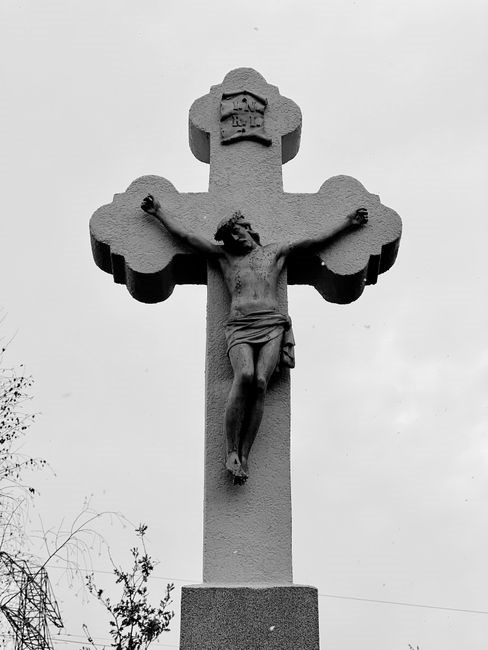
The Manual outlines worship as a holistic experience, blending liturgy, music, prayer, and sacraments. Services emphasize Scripture, hymnody, and communal confession. The Eucharist, baptism, and communion are central, guided by the Manual’s theological standards. It fosters spiritual growth. !
Rituals Section
The 2017‑2021 Church of the Nazarene Manual offers a detailed guide to worship, emphasizing Scripture, music, prayer, and sacraments as a unified spiritual experience. It stresses that worship is a communal act of praise, confession, and renewal, designed to deepen the believer’s connection to God. The Manual outlines key liturgical components: opening prayer, responsive readings, hymn selection, and proclamation of the Word, each chosen to reinforce theological truths and encourage participation. The Lord’s Supper is described as a sacramental remembrance of Christ’s atoning sacrifice, with an emphasis on reverence, intentionality, and communal sharing of bread and wine. Baptism is treated as a covenantal act of faith, symbolizing death to sin and rebirth in the Spirit; the Manual provides detailed instructions on mode, scriptural basis, and pastoral duties. The Manual also addresses liturgical vestments, altar arrangements, and worship leader conduct, ensuring each element reflects the denomination’s holiness ethos. Contemporary worship styles—such as modern Christian music and multimedia—are encouraged when they remain doctrinally faithful and enhance the worship experience. Overall, the Rituals Section serves as a vital resource for clergy and congregants, offering a structured yet adaptable blueprint that honors tradition while embracing modern expressions of faith, sustaining the Church of the Nazarene’s spiritual vitality worldwide; The Manual prescribes altar cloths, candles, and incense, aligning sensory elements with theological symbolism. It encourages testimonies, scripture readings, and responsive prayers to foster participation. Guidelines for worship team training ensure musicians, vocalists, and technical staff collaborate, creating a reverent engaging worship environment that respects local cultural expressions!!

Ministerial Qualifications
Qualifications include a call from God, a degree in theology or ministry, ordination, and a demonstrated commitment to holiness. Candidates must be in good standing, pass background checks, and exhibit pastoral skills. They must uphold the denomination’s Covenant.
Call and Qualifications
The Church of the Nazarene’s Manual outlines a structured process for calling and qualifying ministers. A call begins with a discernible sense of invitation, often confirmed by a local congregation or district leadership. Candidates must hold a degree in biblical studies, theology, or a related field from an institution, and complete a formal ministerial training program approved by the denomination. Ordination requires a comprehensive examination of doctrinal knowledge, pastoral competency, and personal holiness. The Manual emphasizes the importance of a clean moral record, evidenced by a background check and a statement of faith that aligns with Nazarene doctrine. Candidates must also demonstrate effective communication skills, leadership ability, and a willingness to serve in diverse settings. The denomination’s Covenant of Christian Conduct is a key component, requiring ministers to commit to living, continuous spiritual growth, and active participation in church life. The call process is overseen by a committee that evaluates the candidate’s spiritual maturity, academic credentials, and pastoral experience. Upon successful completion, the minister receives a license, which allows them to serve in a local congregation while continuing to meet ongoing accountability standards. The Manual stresses that the call is not merely a career choice but a life vocation, calling ministers to embody the holiness tradition, promote discipleship, engage in mission work worldwide.

Licensed and Ordained Ministers
The Manual details licensing and ordination procedures. Licensed ministers receive a certificate after completing approved training, while ordained ministers are consecrated through a formal ceremony. Both must uphold doctrinal integrity, personal holiness, and active service.Continuously.Faith
Licensed Ministers

Licensed ministers in the Church of the Nazarene are individuals who have completed the prescribed educational and spiritual formation requirements outlined in the Church Manual. They receive a formal license from the district or national governing body after demonstrating doctrinal knowledge, pastoral competency, and personal holiness. The licensing process involves a rigorous examination, a review of ministerial training records, and a recommendation by a local church board. Licensed ministers are authorized to conduct worship services, administer sacraments, preach, and provide pastoral care within the bounds of the Church’s constitution and articles of faith; They must maintain ongoing accountability through periodic reporting, continuing education, and adherence to the Covenant of Christian Conduct. The Manual emphasizes that licensing is a covenantal commitment, not merely a credential, and requires ministers to embody the Church’s mission of evangelism, discipleship, and community service. Licensed ministers may serve in various capacities, including pastoral, evangelist, or missionary roles, and are expected to collaborate with other licensed and ordained ministers in joint ministries. The Manual also outlines procedures for revocation or suspension of licenses in cases of doctrinal error, ethical misconduct, or failure to meet continuing education standards. Renewal of a license typically occurs every five years, contingent upon satisfactory completion of required coursework, demonstration of effective ministry, and affirmation of personal spiritual growth. The licensing framework seeks to balance the need for qualified leadership with Church’s commitment to spiritual integrity and communal accountability!!
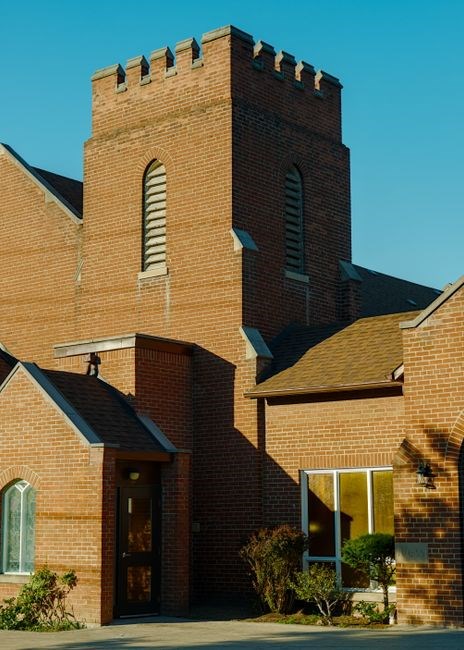
Minister Transfers and Transfers
Transfers of ministers follow the Manual’s procedures. District offices evaluate requests, ensuring doctrinal alignment and pastoral fit. Approved moves require written consent, updated licenses, and a transition plan. The process safeguards congregational stability and ministerial integrity!!
Transfers of Ministers
According to the Church of the Nazarene Manual, the transfer of a licensed or ordained minister is governed by a structured procedure that emphasizes doctrinal fidelity, pastoral suitability, and congregational stability. The process begins with a formal request submitted by the minister or the receiving congregation, which must be accompanied by a comprehensive background report and a statement of the minister’s calling and experience. The district office reviews the request against the Manual’s criteria, ensuring that the minister’s theological convictions align with the denomination’s Articles of Faith and that the proposed assignment serves the mission needs of the district. If approved, the transfer requires a written consent from both the sending and receiving churches, a signed transfer agreement, and the updating of the minister’s license record. The Manual also mandates a transition period during which the minister may provide mentorship to the new congregation and participate in orientation sessions to acclimate to local cultural contexts. Throughout the process, the district office maintains confidentiality and records the transfer in the official registry to preserve accountability and historical continuity. This systematic approach reflects the Church’s commitment to orderly ministry movement and the safeguarding of congregational integrity. Ministers are urged to study, strengthening ministry across churches congregations! Ensuring unity growth for all.!!

Retired Ministers and Restoration
The Manual outlines retirement benefits, service opportunities, and restoration policies for former ministers. Retired clergy may serve in advisory roles, mentor new pastors, or assist in mission projects, ensuring their experience supports church growth.!
Retired Ministers
Retired ministers in the Church of the Nazarene are honored for their lifelong service and receive a stipend and health coverage upon retirement. The 2017‑2021 Manual specifies eligibility: a minimum of 25 years of active pastoral service, completion of a formal retirement review, and agreement to a post‑retirement covenant. Retired clergy may serve in various capacities, such as guest preaching, mentorship of emerging pastors, and participation in district outreach programs. The Manual encourages continued presence in the church community, fostering intergenerational dialogue and spiritual mentorship. The 2023 Manual introduces a “Restoration of Ministry” pathway, allowing retired ministers to re‑engage in full pastoral duties after a sabbatical and re‑certification. This pathway requires a refresher course on contemporary worship practices, ethical leadership, and digital ministry tools. The restoration process is overseen by the district council, ensuring alignment with denominational standards. Retired ministers who choose to return are welcomed with a formal reinstatement ceremony, reinforcing their valued role within the denomination. This approach balances respect for retirement with opportunities for continued contribution, reflecting the Church of the Nazarene’s commitment to lifelong discipleship and community enrichment. In addition, retired ministers are eligible for participation in the Church’s global mission initiatives, where they can serve as mission advisors or cultural liaisons. Additional text This is filler text to reach the required character count.