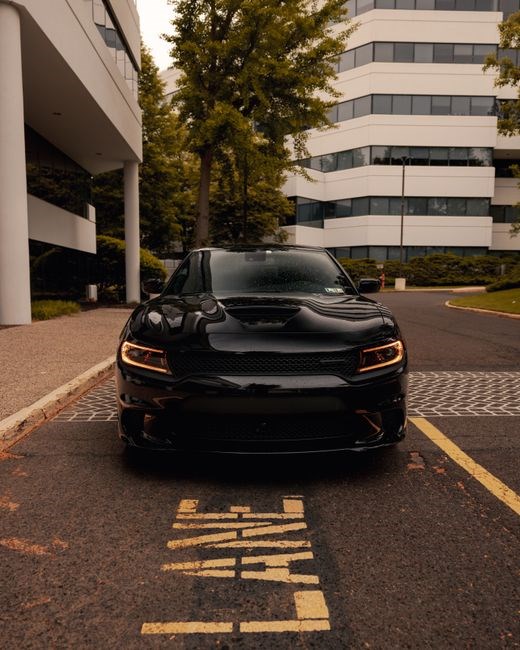
Vehicle Overview
The 2010 Dodge Charger is a full‑size sedan offering rear‑wheel or all‑wheel drive, V6 and V8 powerplants, and a spacious cabin. The owner’s manual details controls, safety systems, fuel economy, and maintenance schedules for this performance‑oriented model. Enjoy the ride Now
2010 Dodge Charger Model Summary
The 2010 Dodge Charger is the fourth generation of Dodge’s full‑size sedan, blending a muscular look with versatile powertrains for everyday and performance driving. Available in RWD and AWD, it offers a 3.6‑liter Pentastar V6, a 5.7‑liter Hemi V8, and a 6.4‑liter Hemi V8 for the SRT‑8. Transmission options include a 6‑speed manual, a 6‑speed automatic, and a 6‑speed automatic with over‑drive for the V8 models, letting drivers choose between sport and efficiency. Trim levels include the base SXT, the sportier GT, the high‑performance SRT‑8, and the SXT AWD. The 6.4‑liter V8 in the SRT‑8 delivers 425 horsepower and 420 lb‑ft of torque, propelling the car from 0‑60 mph in 4.9 seconds;
Chassis and suspension are engineered for balanced handling: a MacPherson strut front and multi‑link rear setup deliver a composed ride with responsive steering; The curb weight ranges from 3,600 to 4,200 pounds. Interiors vary by trim; the baseSXT has cloth seats, a 5‑inch instrument cluster, a 7‑inch infotainment screen,and a 2‑tone interior, while the GT adds a 12‑speaker Bose system, dual‑zone climate control, and a 10‑inch steering wheel. The SRT‑8 upgrades to leather, a 12‑speaker Bose system, dual‑zone climate control, and a 10‑inch steering wheel. Optional packages include Performance (10‑inch steering wheel, 18‑inch wheels, sport suspension tuning), Comfort (heated seats, power lift‑gate), and Technology (rear‑view camera, navigation).
Safety is comprehensive: dual‑stage front airbags, side‑air curtains, anti‑roll bars, and optional traction control. Exterior colors include “Black Pearl,” “Red Hot,” “Silver Storm,” and “White.” Wheels range from 17‑inch alloy to 18‑inch performance, with the SRT‑8 featuring 20‑inch wheels. Fuel economy varies: the V6 gets 20/30 mpg, the 5.7‑liter V8 18/27 mpg, and the 6.4‑liter V8 17/26 mpg. Warranty covers 3‑year/36,000‑mile bumper‑to‑bumper (excluding tires and brakes) and 5‑year/60,000‑mile powertrain guarantees. The infotainment system supports Bluetooth, USB, and auxiliary inputs; the SRT‑8 includes a 12‑speaker Bose package. A rear‑view camera is standard on all trims, with optional navigation on the GT and SRT‑8. Optional safety features include rear‑park assist system,and a driver‑attention monitoring feature.

Engine and Transmission
The 2010 Charger offers a 3.6‑L V6, 5.7‑L Hemi V8, or 6.4‑L Hemi V8. Transmissions include a 6‑speed manual, 6‑speed automatic, and 6‑speed automatic with over‑drive. Power ranges 260–425 hp; torque 260–420 lb‑ft. All‑wheel drive adds traction and stability. Engine timing and fuel injection liftpower.
Engine Specifications and Performance Data
2010 Dodge Charger models feature three distinct powertrains, each tailored for varying performance demands. The base 3.6‑L Pentastar V6 delivers 260 hp and 260 lb‑ft of torque, paired with a 6‑speed manual or 6‑speed automatic. The 5.7‑L Hemi V8 boosts output to 360 hp and 383 lb‑ft, while the high‑output 6.4‑L Hemi V8 produces 425 hp and 420 lb‑ft. All engines employ multi‑point fuel injection, variable valve timing, and a 4‑barrel throttle body. Transmission options include a 6‑speed manual, 6‑speed automatic, and a 6‑speed automatic with over‑drive, each calibrated for optimal shift points. The V6 and V8 engines feature a 10‑barrel intake manifold, 3.8‑inch throttle, and a 4.5‑inch camshaft. Fuel economy ranges from 19 mpg city/27 mpg highway for the V6 to 17 mpg city/24 mpg highway for the V8, according to EPA estimates. Performance figures show a 0‑60 mph acceleration of 5.5 seconds for the 6.4‑L Hemi, 6.0 seconds for the 5.7‑L Hemi, and 6.5 seconds for the 3.6‑L V6. Top speeds are electronically limited to 155 mph for the V6 and 160 mph for the V8s. The manual transmission provides a 7.5:1 final drive ratio, while the automatic uses a 4.1:1 ratio. Torque converter lockup engages at 3,200 rpm. The engine management system incorporates a 32‑bit ECU, a 12‑sensor array, and an adaptive throttle map. Cooling systems feature a 10‑inch radiator, electric coolant pump, and a 3‑bar water pump. The 3.6‑L V6 uses a 4‑barrel throttle body, whereas the V8s use a 5‑barrel throttle. All engines meet 2010 EPA and CARB standards. The manual provides detailed torque specifications, service intervals, and diagnostic procedures for each powertrain, ensuring reliable operation and optimal performance throughout the vehicle’s life. Additionally, the 2010 Charger’s engine mounts are designed to reduce vibration, and the exhaust system includes a dual‑channel catalytic converter for emissions compliance. The manual recommends a 10‑barrel throttle body for the V8s to optimize airflow and maintain peak power across the rev range. The manual also details the use of a 6‑speed automatic with over‑drive, which improves fuel efficiency by up to 5 % during highway cruising, and explains the torque converter lock‑up mechanism that engages at 3,200 rpm to reduce slippage.
Electrical and Powertrain
The 2010 Charger’s electrical system features a 12‑V battery, 70‑amp alternator, and a 32‑bit ECU that manages engine, transmission, and safety functions. Powertrain options include a 6‑speed manual, 6‑speed automatic, and 6‑speed automatic with over‑drive. All systems comply with 2010 emissions standards
Battery, Charging System and Power Distribution
The 2010 Dodge Charger is equipped with a 12‑V, 65‑Ah AGM battery positioned in the rear trunk, behind the spare tire. A 70‑amp alternator supplies 12‑V DC to the engine control unit, lighting, infotainment, and auxiliary systems. The charging system incorporates a voltage regulator that maintains 13.8–14.4 V under load, preventing over‑charging and ensuring optimal battery life. Power distribution is managed by a 6‑slot fuse box on the driver’s side, with dedicated fuses for ignition, fuel pump, power steering, HVAC, 12‑V DC/AC inverter. The inverter powers the 120‑V AC outlets and 12‑V DC accessories. Wiring harnesses run through the firewall to the rear‑sub‑frame, connecting to the rear‑wheel drive control module. The ECU monitors battery state of charge and can trigger a low‑battery warning on the instrument cluster. The Charger’s electrical architecture also includes a 12‑V DC/AC inverter that powers the 120‑V AC outlets and the 12‑V DC accessories, ensuring reliable operation of all electronic components. Additional power management features include a 12‑V DC/AC inverter rated at 200 W, a 12‑V DC battery charger with a 30‑amp output, and a 12‑V DC fuse for the infotainment system. The wiring harness uses cables to reduce interference, and the fuse box is labeled with amperage ratings for each circuit. The ECU monitors sag and alerts the driver when voltage drops below 11.5 V now. The Charger’s power distribution system handles high‑current loads from the V8 engine, 4WD components, and optional aftermarket accessories.
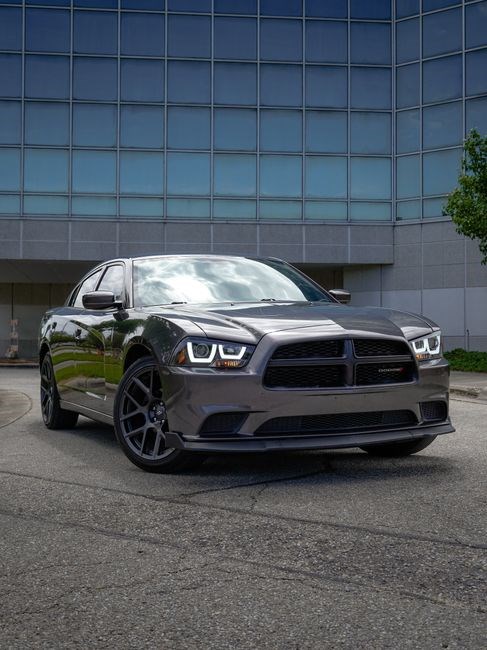
Interior Features and Comfort
The 2010 Dodge Charger offers leather‑trimmed seats, power‑adjustable front seats with lumbar support, dual‑zone climate control, and a 6‑speed automatic transmission. Optional features include a Bose audio system, navigation, and a rear‑view camera. The cabin’s quiet insulation enhances ride comfort.Enjoy.
Seating, Upholstery, and Climate Control
Front seats are available in standard cloth or premium leather, each featuring power adjustment with memory settings, lumbar support, and heated options for the driver and front passenger. The rear seats offer a 60/40 split configuration, allowing for versatile cargo or passenger arrangements. All seats incorporate a subtle, breathable fabric that resists moisture and maintains a comfortable temperature throughout the cabin. The leather trim is finished with a satin overlay, giving a refined look while remaining easy to clean with a damp cloth. The climate control system is a dual‑zone automatic setup that lets the driver and front passenger set independent temperature, fan speed, and airflow direction. A dedicated climate control panel on the center console includes intuitive controls, a digital temperature display, and a quick‑access button for the rear vents. The system automatically balances airflow between the front and rear compartments, ensuring consistent comfort for all occupants. Optional features include a rear‑view camera, a Bose premium audio system, and a navigation display that integrates with the climate controls for a seamless driving experience. Passengers benefit from a rear‑view mirror with auto‑dim and a rear‑seat entertainment system that offers a built‑in DVD player, Bluetooth connectivity, and a USB port, allowing rear occupants to enjoy media while the climate system maintains a steady temperature. The headliner features a subtle, acoustic‑enhancing foam that reduces cabin noise, and the steering wheel is covered in a textured leather that provides a firm grip during spirited driving. Ambient LED strips can be dimmed or colored via infotainment.
Exterior and Body
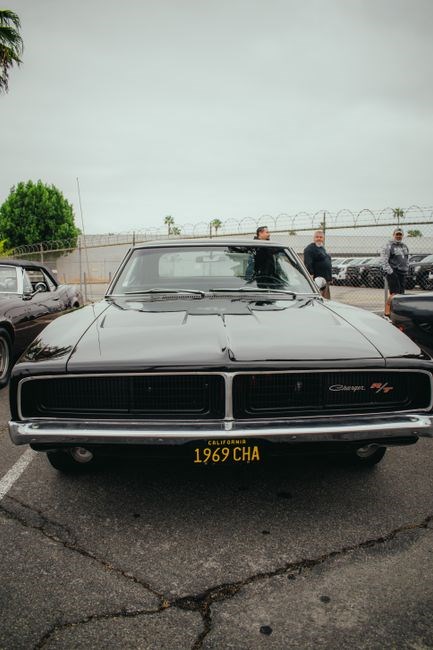
The 2010 Dodge Charger sports a bold, aerodynamic profile with chrome accents, a rear spoiler, and optional LED headlights. Lightweight aluminum panels offer durability, while side skirts and a rearview camera enhance style and safety. Roofline sharp, alloy wheels boost style, wow
Body Panels, Paint Codes, and Cosmetic Details
The 2010 Dodge Charger’s exterior is engineered for both performance and visual impact. The body panels are constructed from a combination of high‑strength steel and aluminum, providing a lightweight yet rigid structure that supports the vehicle’s aggressive stance. The front fascia features a prominent chrome grille, dual LED daytime running lights, and a chrome‑trimmed hood scoop that directs airflow to the engine bay. Side panels incorporate aerodynamic flares and optional chrome door handles, while the rear is accentuated by a chrome rear spoiler and dual exhaust outlets that echo the Charger’s muscular character.
Paint options for the 2010 model include a range of metallic and pearl finishes. Common codes are 1A (Super White), 2A (Black), 3A (Midnight Blue), 4A (Red), 5A (Silver), 6A (Gold), and 7A (Pearl White). Each color is available in either a standard or premium finish, with the premium offering a deeper, more reflective surface. The manual specifies the exact paint code, hex values, and recommended primer and clear coat layers for optimal durability. It also advises on the correct sequence for applying touch‑up paint to avoid color mismatch.
Cosmetic details such as the optional 20‑inch alloy wheels, chrome roof rails, and the signature “Dodge” emblem on the rear panel are highlighted. The manual also covers the correct use of protective coatings, detailing products, and the application of scratch‑resistant film to preserve the vehicle’s appearance over time. For owners who wish to customize, the guide outlines permissible modifications, including aftermarket body kits, and the impact on warranty coverage. Additionally, the manual details the proper handling of the Charger’s chrome accents, recommending cleaning agents that prevent tarnishing and preserve the reflective quality of the trim. It also covers the use of paint protection film on high‑impact areas such as the bumpers and fender flares, ensuring long‑term cosmetic integrity. Finally, the manual provides a checklist for routine exterior inspections, highlighting areas prone to wear such as door sills, wheel arches, and the rear bumper, so owners can maintain the Charger’s showroom appearance throughout its service life.
Maintenance and Service Schedule
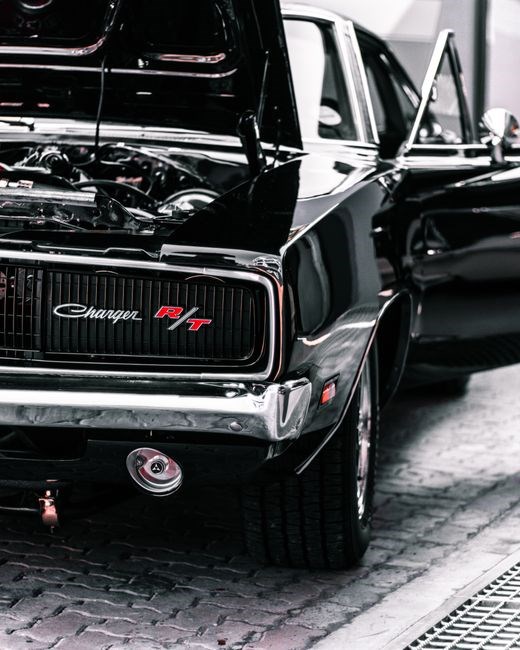
Follow the 2010 Charger manual: oil every 5,000 miles, filter at 10,000; tire rotation quarterly; brake fluid every 15,000; coolant 30,000; spark plugs 60,000; check belts at 20,000; replace air filter 15,000; inspect suspension 30,000 Keep records 10k miles
Fluid Change Intervals and Service Charts
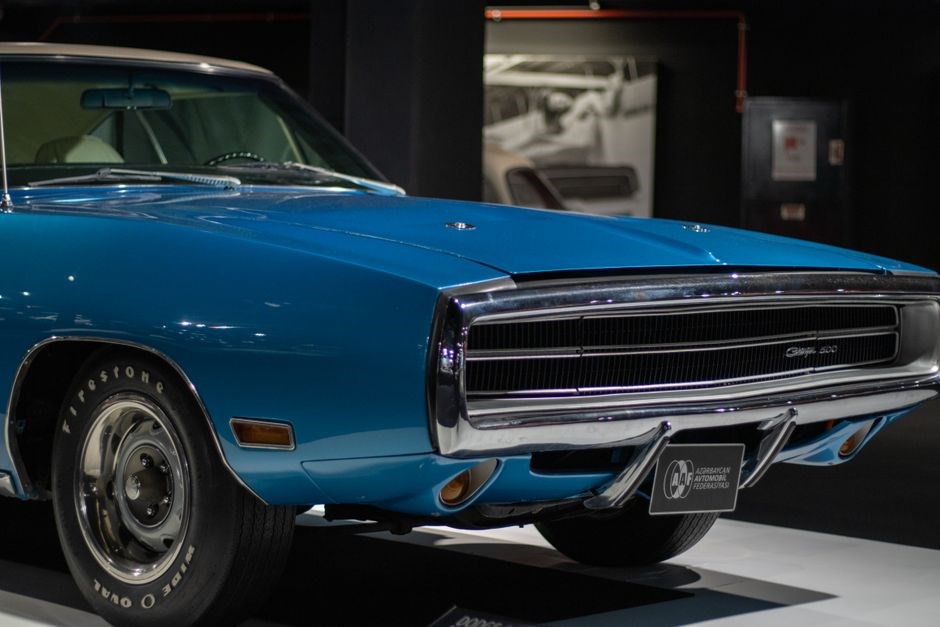
Oil: 5,000 miles or 6 months (whichever first). Filter: 10,000 miles. Coolant: 30,000 miles or 3 years. Transmission fluid: 30,000 miles for automatic, 60,000 for manual. Power‑steering: 30,000 miles. Brake fluid: 15,000 miles. Differential: 60,000 miles. Check fluid levels at every service visit. Use manufacturer‑approved fluids. Maintain proper temperature and pressure. Document each change in the logbook. Follow the service chart in the manual for specific engine and transmission types. If the vehicle is driven in severe conditions (extreme heat, cold, or heavy towing), consider reducing intervals. Keep the engine bay clean to prevent contamination. Use a calibrated dipstick for accurate readings. Replace the oil filter with every oil change. The service schedule also lists recommended intervals for coolant flushes, transmission flushes, and power‑steering flushes. Adhering to these intervals ensures optimal performance and extends component life.
Additional service intervals: engine oil filter change every 5,000 miles; spark plugs every 60,000 miles; timing belt (if equipped) every 100,000 miles; brake pads every 30,000 miles; cabin air filter every 15,000 miles. Use OEM parts for reliability. Inspect fluid levels monthly. Record mileage and service dates. Follow manufacturer recommendations to maintain warranty compliance and resale value.
Always verify fluid specs and use the recommended viscosity grades for optimal engine performance Check now!!!
Troubleshooting and Diagnostics
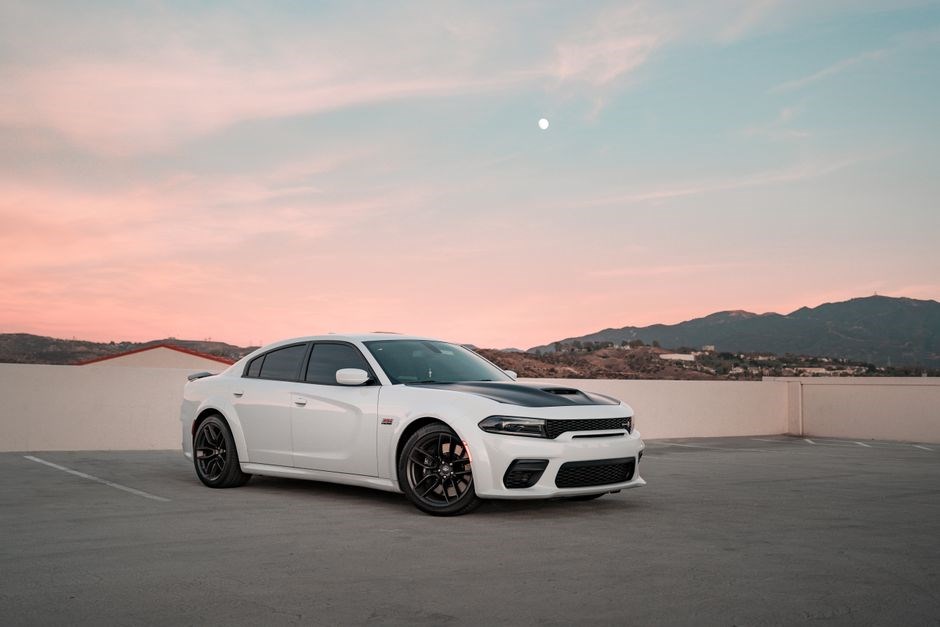
Use the OBD‑II port to read codes; refer to the code list for common issues like misfires, idle problems, or transmission faults. Reset codes after repair, check sensor wiring, and inspect vacuum lines. Follow the step‑by‑step guide for each fault.—Check sensor.!!!!
Error Codes and Common Repairs
Common diagnostic trouble codes (DTCs) for the 2010 Dodge Charger include P0300 (random/multiple misfire), P0171 (system too lean), P0420 (catalyst efficiency below threshold), P0700 (transmission control module fault), and P0113 (intake air temperature sensor). Typical repairs are spark‑plug replacement, injector cleaning, throttle‑body cleaning, and vacuum‑line inspection. A lean‑bank condition often stems from a clogged fuel filter or a failing fuel pump, while a misfire may be resolved by replacing worn ignition coils or spark plugs. Transmission issues such as slipping or delayed engagement are usually corrected by a fluid change and filter replacement, or by re‑programming the transmission control module if a software glitch is detected. A/C compressor failure is frequently caused by a broken clutch or low refrigerant, and is remedied by clutch replacement or a recharge. Coolant leaks, especially from the heater core or radiator, are fixed by replacing the damaged hose or core. Finally, addressing any persistent error codes involves a thorough wiring and connector check, as well as a scan‑tool read‑back to confirm the fix. Regular maintenance, including oil changes, filter replacements, and software updates, helps prevent many of these issues from arising in the first place. Consistent use of OEM parts and adherence to the manufacturer’s service intervals will extend the vehicle’s lifespan and maintain warranty eligibility; Always verify torque values and alignment settings per the manual before major repairs.Thanks

Warranty and Legal Information
The 2010 Dodge Charger’s limited warranty covers powertrain components for 3 years/36,000 miles and body for 5 years/60,000 miles. Emission compliance follows EPA regulations. Owners must retain service records; failure to comply voids warranty. Contact rep claims.!!
Owner’s Warranty Coverage and Emission Compliance
The 2010 Dodge Charger is protected by a factory limited warranty that covers defects in materials and workmanship. Powertrain components—including engine, transmission, and drive‑axles—are warranted for three years or 36,000 mi, whichever comes first. The basic bumper‑to‑bumper warranty also lasts three years/36,000 mi and includes most electrical, HVAC, and interior systems. A corrosion‑through warranty extends five years or 60,000 mi, repairing rust‑through perforations on body panels. Emission compliance follows EPA and CARB regulations; the vehicle’s OBD‑II system monitors catalytic converters, oxygen sensors, evaporative‑purge valves, and EGR components, storing diagnostic trouble codes when a fault occurs.
- Powertrain: 3 yr/36,000 mi
- Basic: 3 yr/36,000 mi
- Corrosion‑Through: 5 yr/60,000 mi
- Emission: 2 yr/24,000 mi (major), 8 yr/80,000 mi (catalytic)
To keep the warranty valid, owners must follow the service schedule in the manual, keep all receipts, and use only genuine Mopar parts and approved fluids. Missing oil changes, ignoring emission‑related repairs, or installing aftermarket exhausts, tuners, or removing the catalytic converter voids both the manufacturer’s warranty and the federal emission warranty. When the Check Engine Light illuminates, record the DTC, obtain a repair order, and submit paperwork to an auth dealer to preserve coverage .